
The Beauty of Natural Dyes: Crafting Sarongs with Earth’s Palette
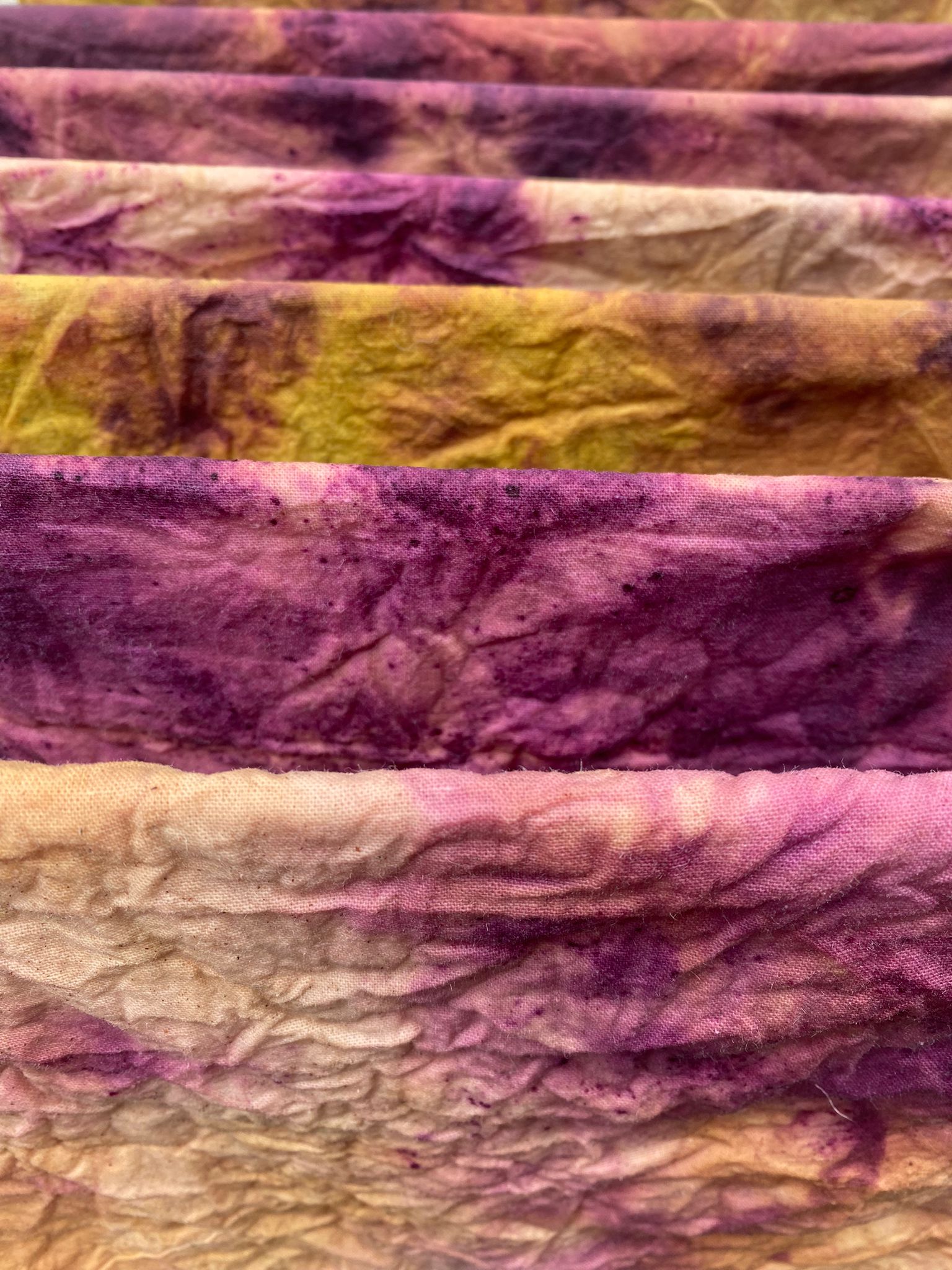
Dyeing fabric is an ancient practice, deeply rooted in nature, culture, and sustainability. While modern textile production often relies on synthetic dyes—many of which contain harmful chemicals—natural dyeing offers an alternative that is both environmentally friendly and rich in tradition. At the heart of this approach is artist Theresa Bader, whose skillful hand-dyeing techniques have brought three unique sarongs to life: Volcano (a deep off-black), Lilac (a muted rose-pink), and Forestwater (a soft green with blue undertones).
But what makes these colors special isn’t just their beauty—it’s their origin. The natural dyes used in the process—Anthracite, Krapp-Red, Lac-Red, and Oliv-Green—are steeped in history, crafted from plant and animal sources, and offer an eco-conscious alternative to conventional dyeing methods.
The Ancient Art of Natural Dyeing
For centuries, artisans across the world have extracted pigments from plants, minerals, and insects to color textiles. Unlike synthetic dyes, which often rely on petroleum-based chemicals, natural dyes are derived from renewable sources. They not only decompose harmlessly at the end of their life cycle but also produce more complex, organic shades that shift and change with the fabric over time.
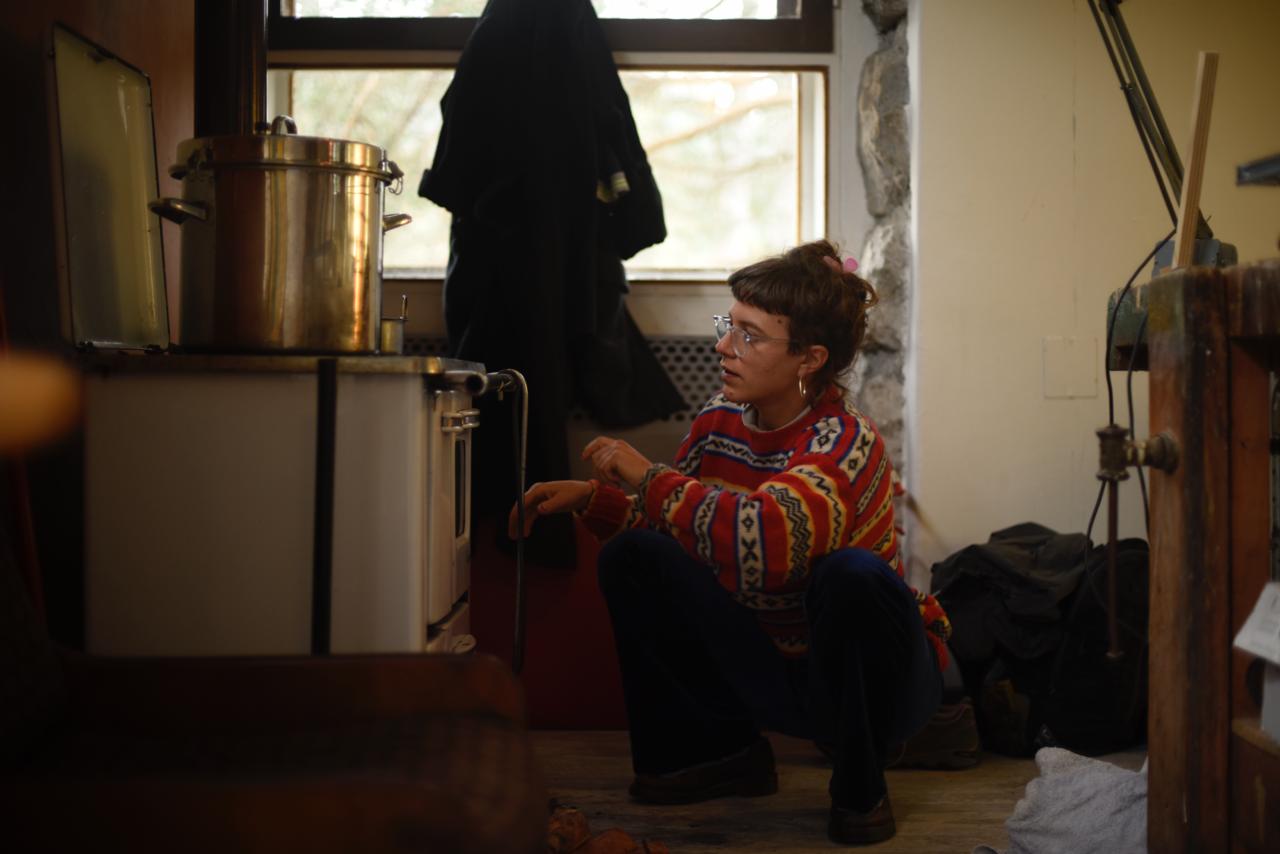
The process used for dyeing these rayon sarongs involves slow, deliberate steps—steeping the fabric in natural dye baths, allowing the pigments to bind to the fibers, and controlling temperature and pH to achieve depth and durability. Each color reacts slightly differently depending on the fiber and the environment, making every piece one-of-a-kind.

The Story Behind Each Color
Anthracite: The Earthy Depth of Off-Black
A deep, muted black, Anthrazit brings to mind volcanic rock and stormy skies. Black dyes are often difficult to achieve naturally, as most plants yield softer hues. However, this shade, used to create the Volcano sarong, offers a sophisticated alternative to harsh synthetic blacks, which often contain heavy metals like chromium and iron that pollute waterways. The result is a subdued, organic black—rich, yet understated.
Krapp-Apricot & Lac-Red: The Soft Warmth of Rose-Pink
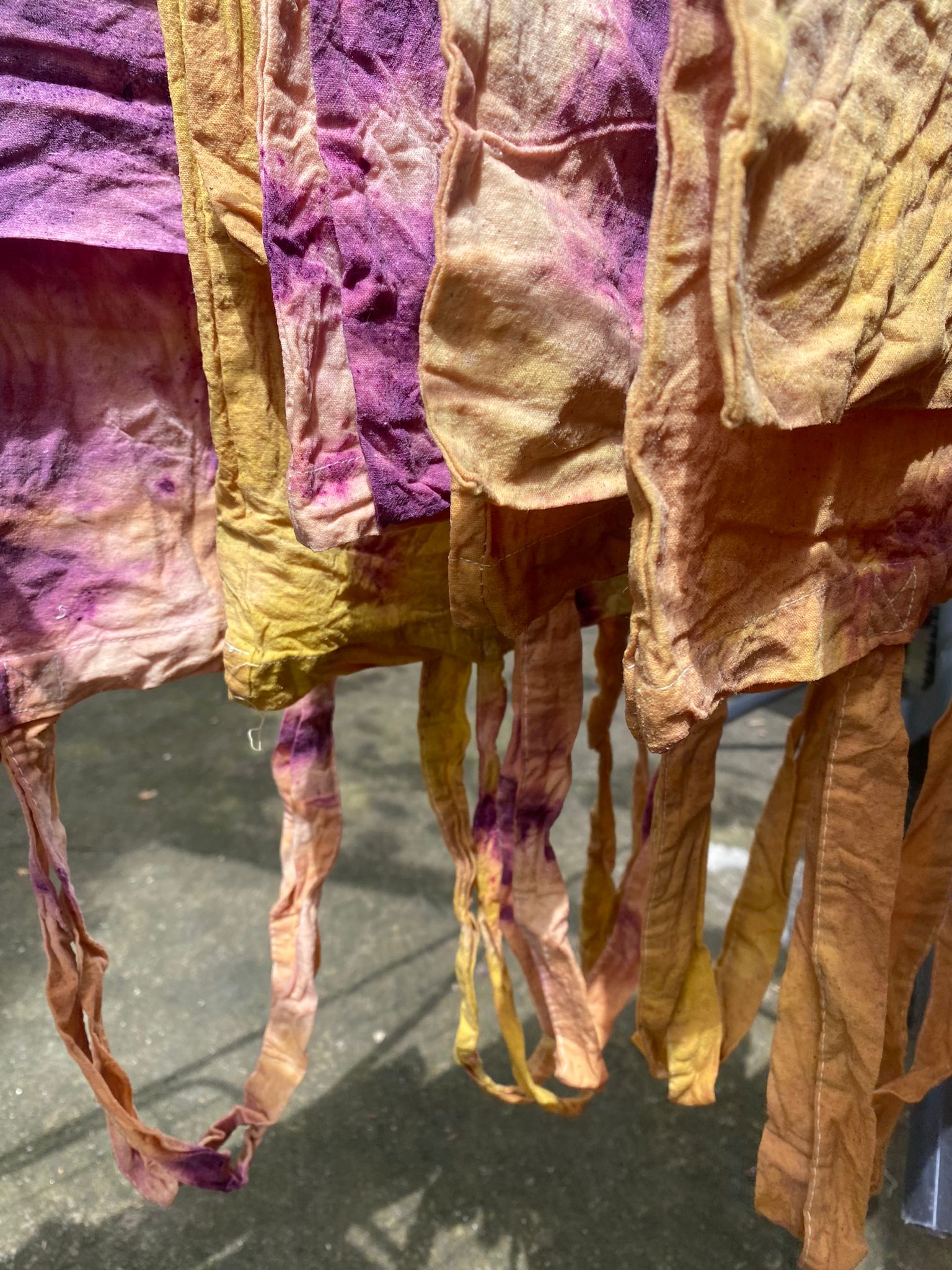
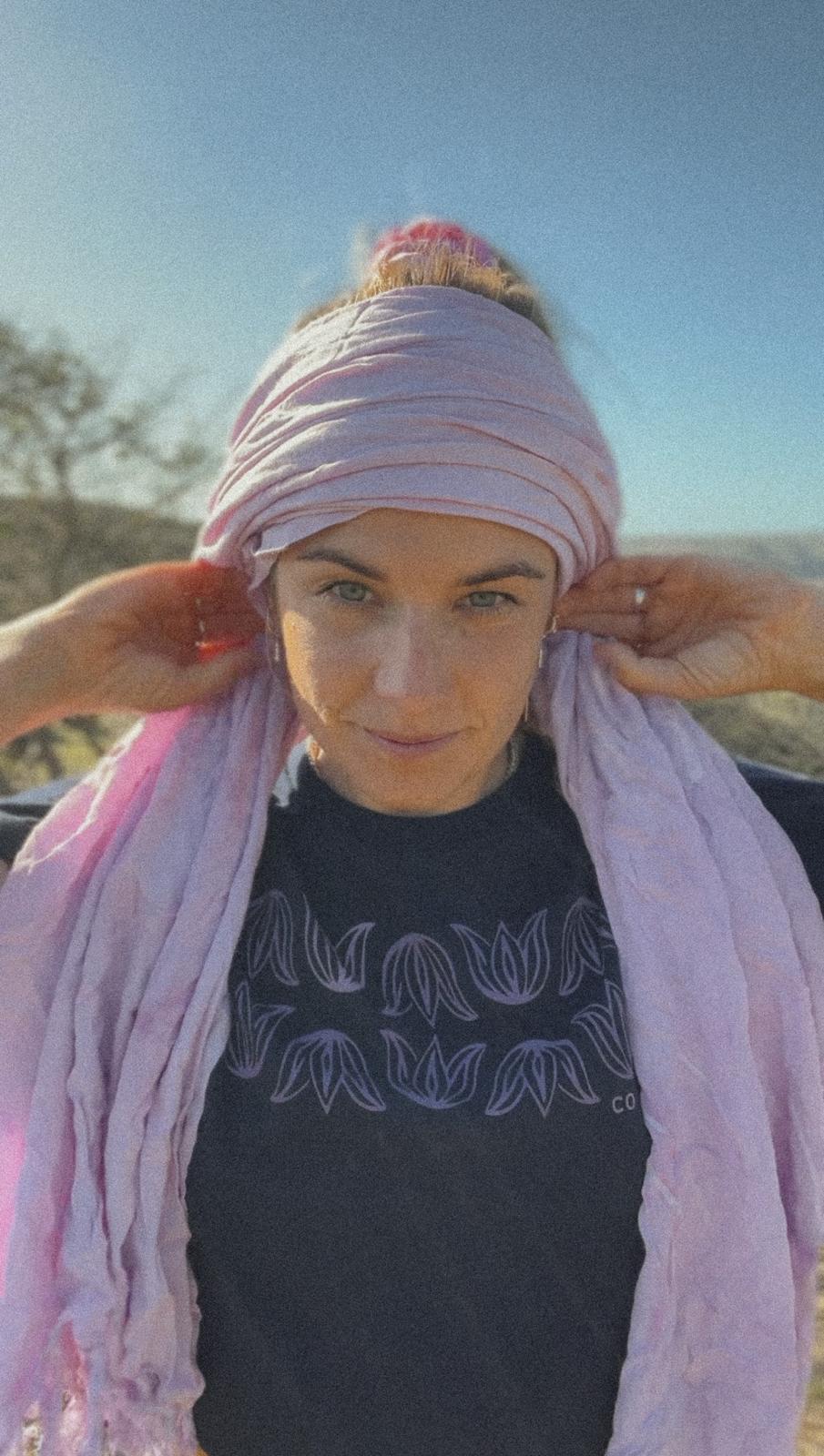
The Lilac sarong is dyed using a combination of Krapp-Apricot and Lac-Rot, two shades that have been revered for centuries. Krapp, also known as madder root, has been used since ancient Egyptian times to produce warm reds and soft peaches. Lac-Rot, on the other hand, is derived from the resinous secretions of the lac insect—a traditional dye source in India and Southeast Asia. The interplay of these two tones results in a gentle, dusty pink—earthy rather than artificial, soft rather than overpowering.


Oliv-Green: The Serenity of Nature in Green
Few colors are as symbolic of nature as green, and the Forestwater sarong captures this beautifully. The Oliv-Grün dye creates a soft, slightly blue-toned green reminiscent of moss, eucalyptus leaves, and forest reflections on water. Green dyes in the past were notoriously difficult to achieve naturally, often requiring a combination of yellows and blues. Today, plant-based dye extracts provide a more sustainable option, avoiding the synthetic dyes that often release toxic chemicals like chlorine and formaldehyde into water systems.
Why Natural Dyes Matter
While synthetic dyes can offer color consistency and affordability, they come at a significant cost to the environment. Many synthetic dyeing processes use toxic chemicals that contribute to water pollution, harming aquatic life and contaminating drinking water. Natural dyes, by contrast, are biodegradable and generally require fewer resources.
Additionally, there is something deeply human about wearing colors that come directly from nature. Unlike their artificial counterparts, natural dyes age gracefully, developing richer tones over time and reflecting the life of the garment. They remind us of the connection between fabric, earth, and craftsmanship—a connection that is too often lost in fast fashion.
A Step Toward Sustainable Fashion
In an era where sustainability is more than just a trend, choosing naturally dyed textiles is a small but meaningful way to reduce environmental impact. By embracing these plant-based and mineral dyes, we celebrate not just the beauty of color, but also the wisdom of traditional techniques and the importance of eco-conscious choices.


Leave A Comment