The Beauty of Natural Dyes: Crafting Wrap Scarves with Earth’s Palette
Dyeing fabric is an ancient practice, deeply rooted in nature, culture, and sustainability. While modern textile production often relies on synthetic dyes—many of which contain harmful chemicals—natural dyeing offers an alternative that is both environmentally friendly and rich in tradition. At the heart of this approach is artist Theresa Bader, whose skillful hand-dyeing techniques have brought three unique wrap scarves to life: Volcán (un profundo negro apagado), Lila (rosa pálido) y Agua forestal (un verde suave con matices azules).
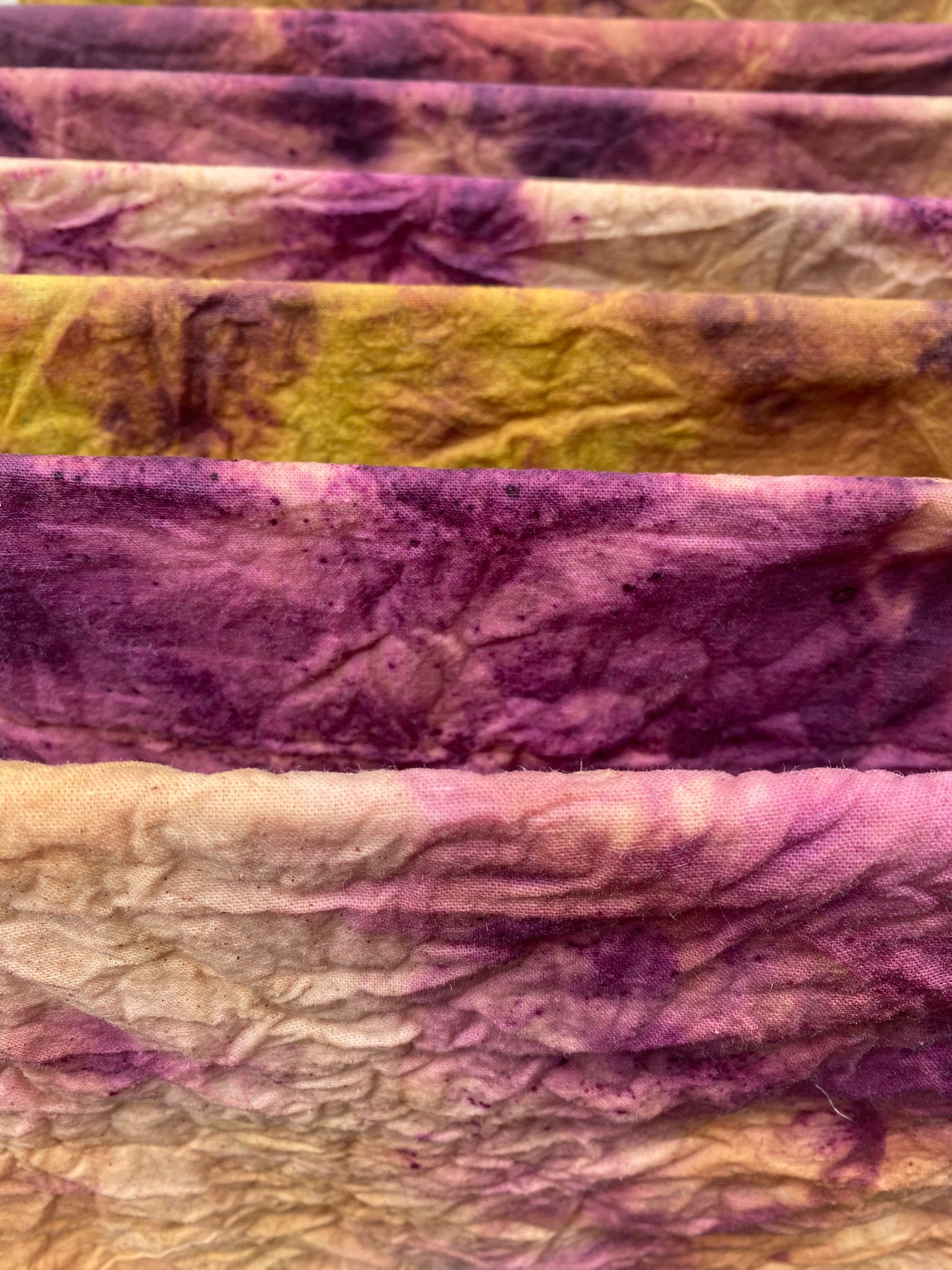
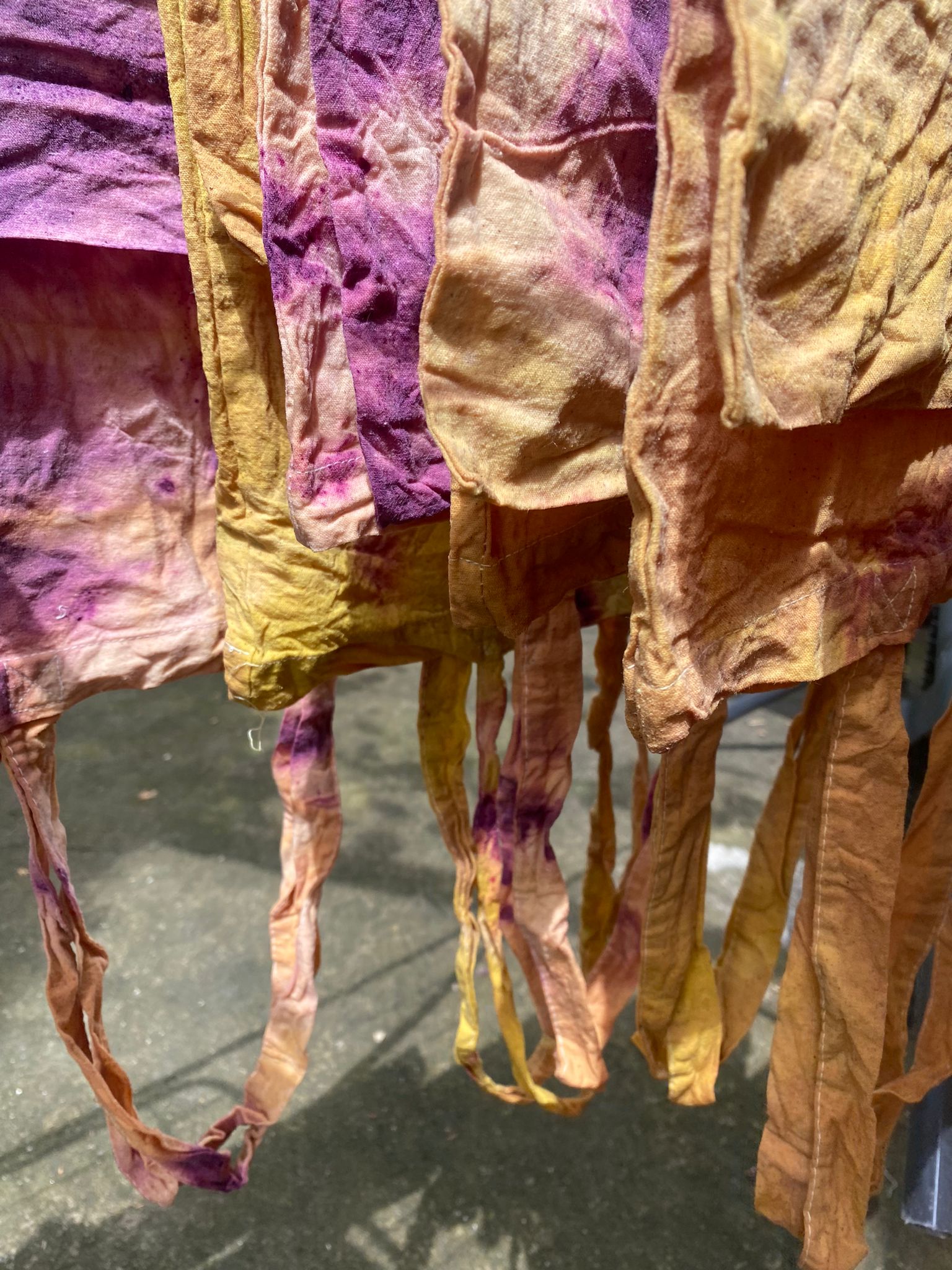
Pero lo que hace especiales a estos colores no es sólo su belleza, sino su origen. Los tintes naturales utilizados en el proceso -Antracita, Krapp-Rojo, Lac-Rojo y Oliv-Verde- están cargados de historia, se elaboran a partir de fuentes vegetales y animales, y ofrecen una alternativa ecológica a los métodos de teñido convencionales.
El antiguo arte del tinte natural
Durante siglos, artesanos de todo el mundo han extraído pigmentos de plantas, minerales e insectos para dar color a los tejidos. A diferencia de los tintes sintéticos, que a menudo dependen de productos químicos derivados del petróleo, los tintes naturales proceden de fuentes renovables. No sólo se descomponen de forma inofensiva al final de su ciclo de vida, sino que además producen tonos orgánicos más complejos que se desplazan y cambian con el tejido a lo largo del tiempo.
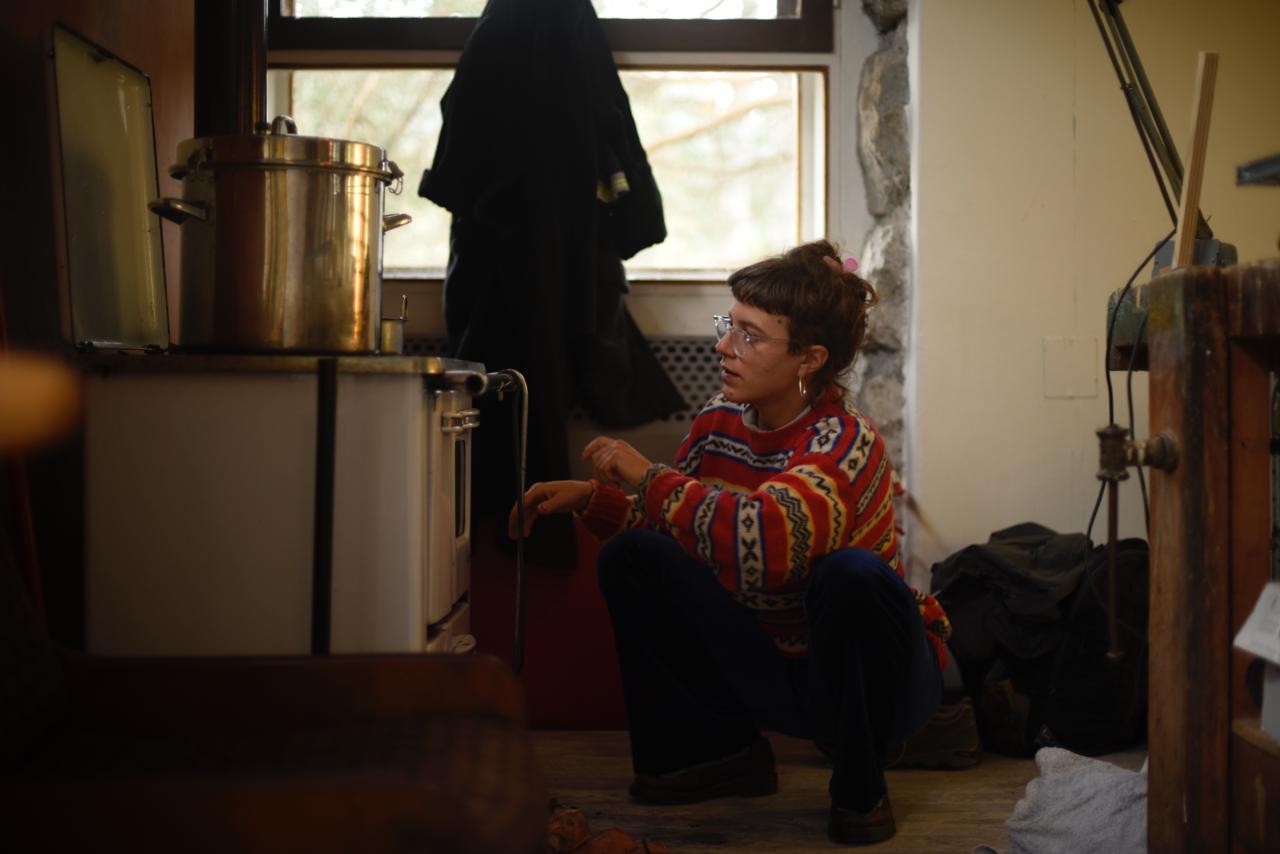
The process used for dyeing these rayon wrap scarves involves slow, deliberate steps—steeping the fabric in natural dye baths, allowing the pigments to bind to the fibers, and controlling temperature and pH to achieve depth and durability. Each color reacts slightly differently depending on the fiber and the environment, making every piece one-of-a-kind.

La historia de cada color
Antracita: La profundidad terrosa del negro roto
A deep, muted black, Anthrazit brings to mind volcanic rock and stormy skies. Black dyes are often difficult to achieve naturally, as most plants yield softer hues. However, this shade, used to create the Volcano wrap scarf, offers a sophisticated alternative to harsh synthetic blacks, which often contain heavy metals like chromium and iron that pollute waterways. The result is a subdued, organic black—rich, yet understated.
Krapp-Apricot & Lac-Red: La suave calidez del rosa-rosa
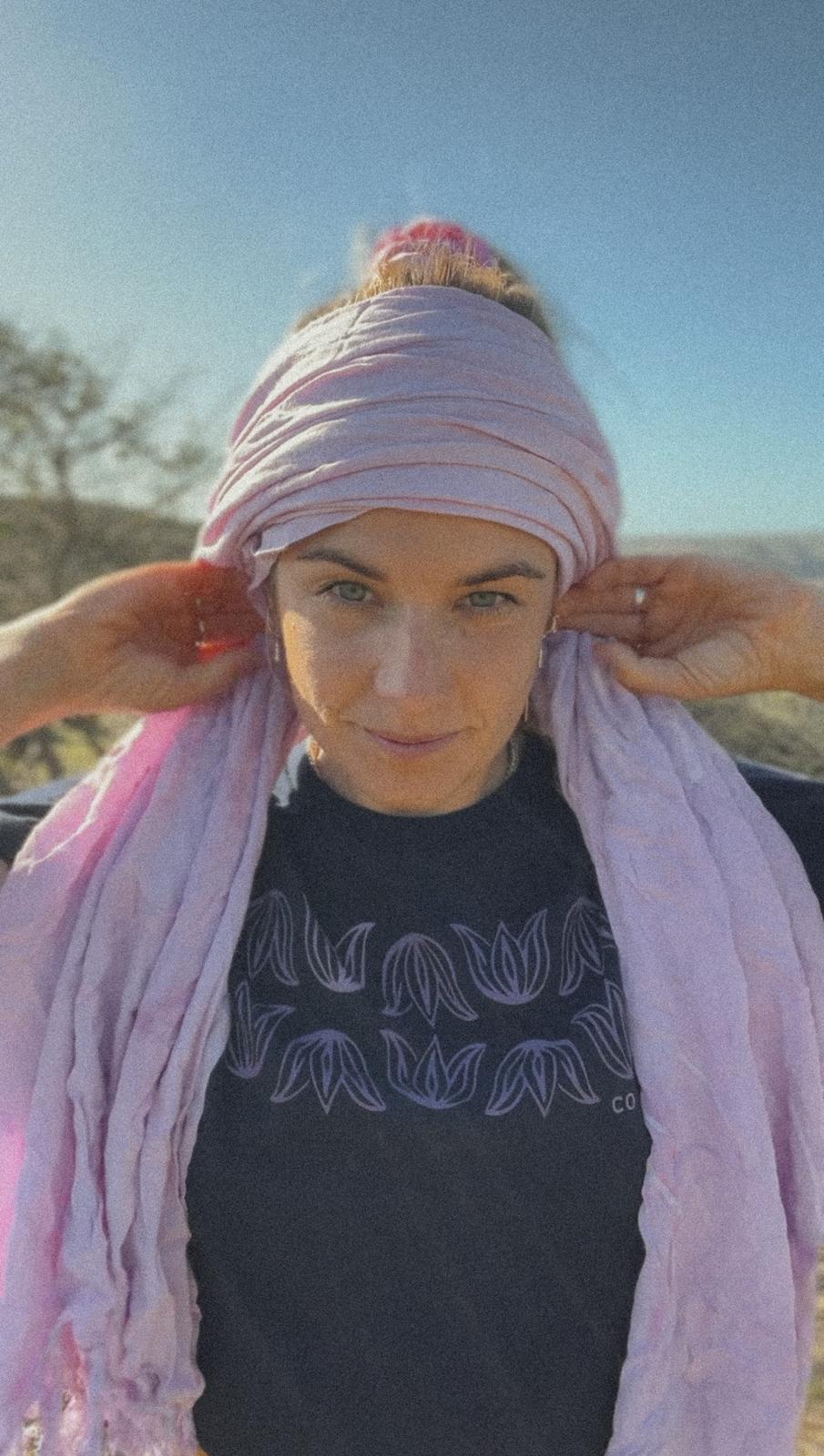
The Lilac wrap scarf is dyed using a combination of Krapp-Apricot and Lac-Rot, two shades that have been revered for centuries. Krapp, also known as madder root, has been used since ancient Egyptian times to produce warm reds and soft peaches. Lac-Rot, on the other hand, is derived from the resinous secretions of the lac insect—a traditional dye source in India and Southeast Asia. The interplay of these two tones results in a gentle, dusty pink—earthy rather than artificial, soft rather than overpowering.


Oliv-Verde: La serenidad de la naturaleza en verde
Few colors are as symbolic of nature as green, and the Forestwater wrap scarf captures this beautifully. The Oliv-Grün dye creates a soft, slightly blue-toned green reminiscent of moss, eucalyptus leaves, and forest reflections on water. Green dyes in the past were notoriously difficult to achieve naturally, often requiring a combination of yellows and blues. Today, plant-based dye extracts provide a more sustainable option, avoiding the synthetic dyes that often release toxic chemicals like chlorine and formaldehyde into water systems.
Por qué son importantes los tintes naturales
Aunque los tintes sintéticos pueden ofrecer uniformidad de color y asequibilidad, tienen un coste importante para el medio ambiente. Muchos procesos de tintura sintética utilizan productos químicos tóxicos que contribuyen a la contaminación del agua, dañan la vida acuática y contaminan el agua potable. Los tintes naturales, en cambio, son biodegradables y suelen requerir menos recursos.
Además, hay algo profundamente humano en vestir colores que proceden directamente de la naturaleza. A diferencia de sus homólogos artificiales, los tintes naturales envejecen con gracia, desarrollando tonos más ricos con el tiempo y reflejando la vida de la prenda. Nos recuerdan la conexión entre el tejido, la tierra y la artesanía, una conexión que con demasiada frecuencia se pierde en la moda rápida.
Un paso hacia la moda sostenible
En una época en la que la sostenibilidad es algo más que una tendencia, elegir tejidos teñidos de forma natural es una forma pequeña pero significativa de reducir el impacto ambiental. Al adoptar estos tintes vegetales y minerales, no solo celebramos la belleza del color, sino también la sabiduría de las técnicas tradicionales y la importancia de las elecciones ecológicas.
Hacia el cambio
En COCOU apostamos por la agilidad y la mejora continua. Entendemos que la industria de la moda está en constante evolución, y estamos abiertos a explorar soluciones alternativas que se alineen con nuestro compromiso con la sostenibilidad. Los comentarios constructivos no sólo son bienvenidos, sino que se fomentan:
Deja un comentario